Design Key Points of the Color Steel Tile Roof Support System

1. Load Calculation

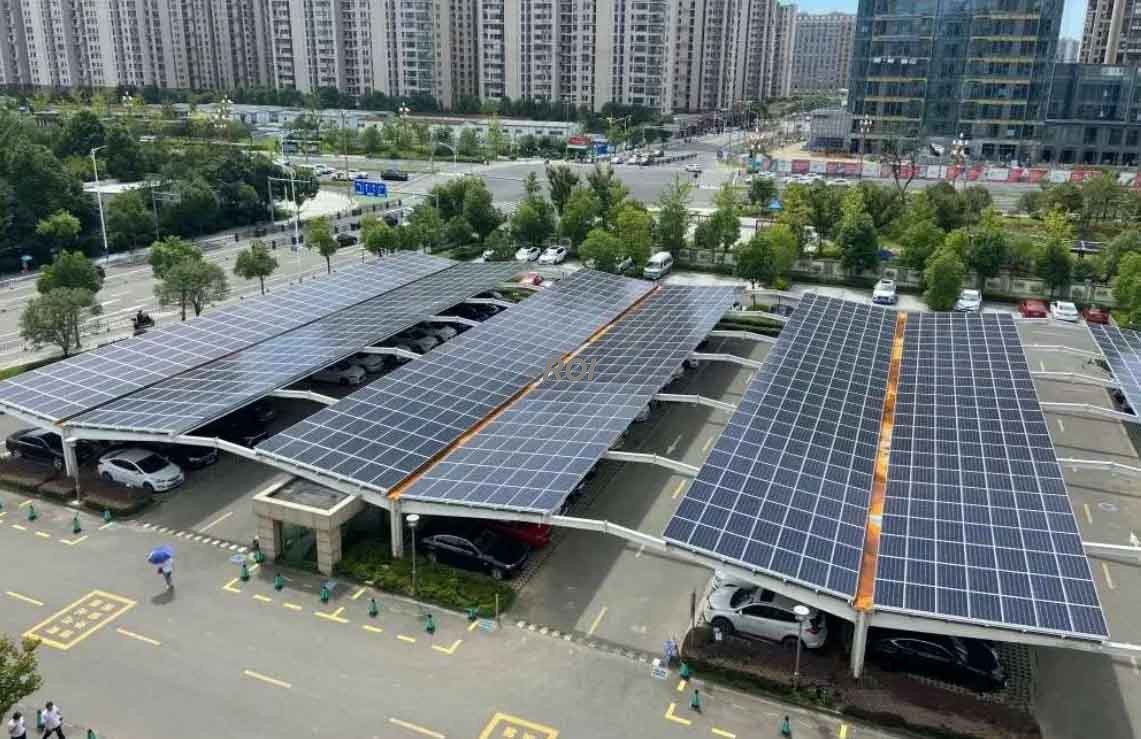
Accurate load calculation for the carport solar mounting system is the foundation of designing the color steel tile roof support system.

Designers need to comprehensively consider various factors, including the dead load of the roof (self-weight of color steel tiles, insulation layers, waterproof layers, etc.), live load (temporary loads from personnel and equipment), wind load, and snow load.

During the calculation process, national relevant building codes and standards should be strictly followed, and load values should be reasonably determined based on local meteorological conditions and the building’s usage function to ensure that the support system has sufficient safety margins.​


2. Material Selection

The material quality of the support solar carport mounting system directly affects its performance and service life. Steel, and aluminum solar carport as the main material, should be high-quality steel that meets national standards to ensure its strength, toughness, and corrosion resistance.

Common steel grades include Q235, Q345,etc., and different grades are suitable for various load conditions and environmental conditions.

In addition, surface treatment processes such as hot-dip galvanizing and anti-corrosion coating spraying can be used to improve the corrosion resistance of the support system and extend its service life in harsh environments.


Structural Design

A reasonable structural design is the key to ensuring the stability and reliability of the color steel tile roof support system.

During the design process, the layout and form of the supports should be optimized according to factors such as the roof slope, span, and load distribution.

For large-span roofs, spatial truss structures or additional bracing systems can be adopted to enhance the spatial rigidity of the structure.

For roofs with a large slope, the connection between the supports and the color steel tiles needs to be strengthened to prevent the tiles from sliding.

At the same time, the connection method between the support system of the solar carport racking and the main building structure should also be considered to ensure that the loads can be effectively transferred to the building foundation.


Top

How Long Do Solar Roof Mounts Last and What Maintenance Is Required?

When people think about going solar, they usually picture shiny panels soaking up the sun on a rooftop. But there's a less glamorous hero holding it all together: the solar panel roof mounts. It's not flashy, but it's the backbone of the whole operation. And just like any structure exposed to the elements, it brings up two important questions: how long will it last, and what kind of maintenance does it need?


They’re Built to Stick Around – But for How Long?

A well-made solar mounting system, especially one built from high-grade aluminum or stainless steel, can easily last 25 to 30 years, sometimes even longer. In most cases, they’re designed to outlast the solar panels themselves. That said, the real answer is: it depends.


For example, I once visited a site in coastal Florida where salty sea air had started corroding a cheaper steel mount within ten years. On the other hand, a house up in dry Arizona still had perfectly solid mounts after nearly three decades. Environment plays a huge role.


Here are a few things that can influence the lifespan:

Material matters – Aluminum alloys resist corrosion better than standard steel.

Climate counts – If you live in a high-humidity or snow-heavy zone, your mounts take more abuse.

Roof type – A solid concrete roof? Great. Brittle old shingles? Not so great.

Installation quality – This one’s big. A rushed job can create water leaks or structural issues that shorten the life of the entire system.


Do I Need to Maintain My Solar Mounts?

Short answer: a little goes a long way.

They don’t need much, but ignoring them entirely? That’s where problems start. You don't need to climb up there every month, but a yearly or bi-yearly checkup—even just from the ground or using a drone—is smart.


Here’s what to look out for:

Loose bolts or shifting panels – Winds can cause micro-movements over time.

Rust or corrosion – Especially in humid or coastal areas.

Water intrusion – Look inside your attic or ceiling for any signs of leaks near where the mounts penetrate the roof.

Debris buildup – Leaves, dust, and bird nests love to settle near roof brackets.


If you’re unsure, having a solar technician take a look every few years is money well spent. I've seen homeowners save thousands just by catching a loose fastener before it caused bigger roof damage.


Will I Need to Replace Them?

In most cases, you won’t need to touch your mounts when it’s time to replace the panels—unless they’re damaged or incompatible with your new setup. But if you're also redoing your roof, or if the mounts look aged or show clear signs of stress, it may be worth swapping them out too.


There’s no hard rule, but think of it like replacing the soles of your shoes. If the bottom is worn out but the top still looks good, it might still be time for a change.


To sum it all up: solar roof mounts are the quiet workhorses of your solar setup. They're built tough, and with even just a little attention every now and then, they’ll do their job without complaint for decades.

Solar Roof Mounts

Top

Unveiling the Color Steel Tile Roof Support System A Comprehensive Analysis from Structure to Application

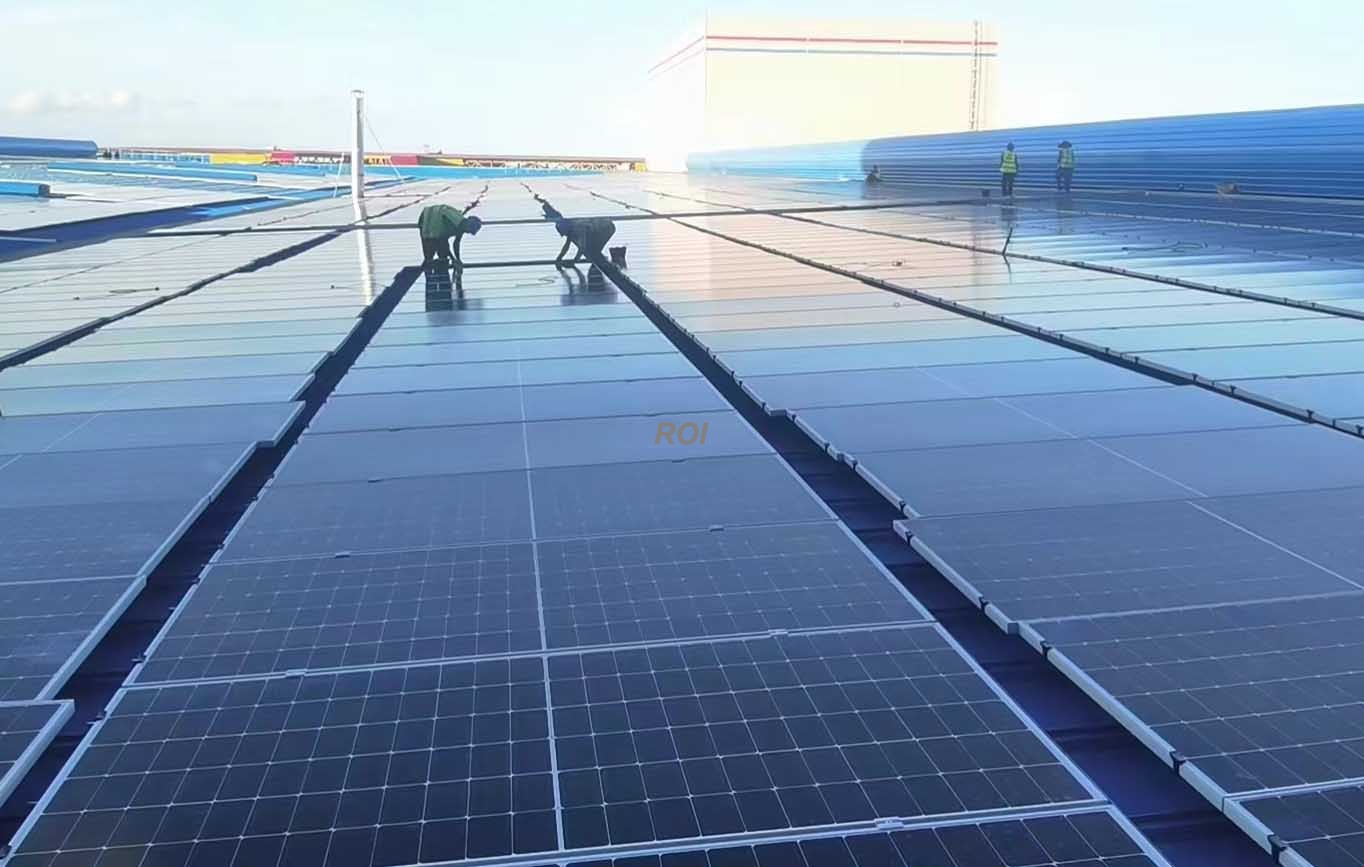
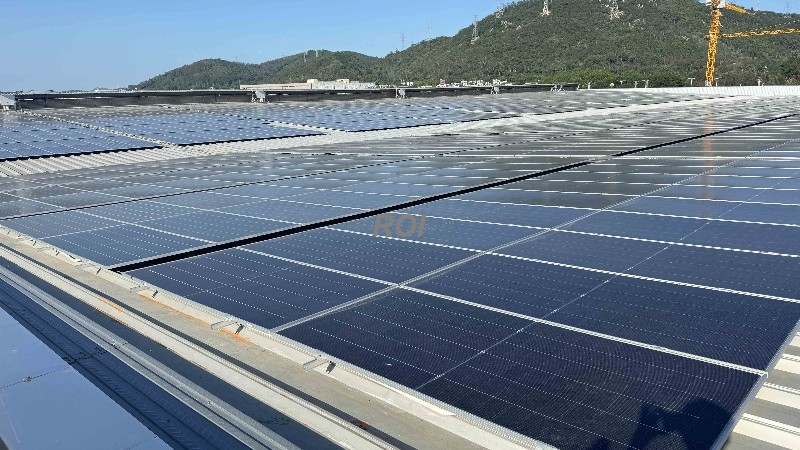
In the realm of modern architecture, roof rack solar panel for color steel tiles have emerged as a popular choice for the roofs of numerous industrial plants, warehouses, and residential buildings, owing to their lightweight nature, aesthetic appeal, and construction convenience.

The color steel tile roof support system, which underpins this “steel exterior,” acts as an invisible guardian of the building’s roof, silently fulfilling crucial roles such as providing stability, bearing loads, and resisting wind forces.

Today, let’s take an in-depth look at this indispensable component of building structures.​


I. Composition and Classification of the Color Steel Tile Roof Support System​

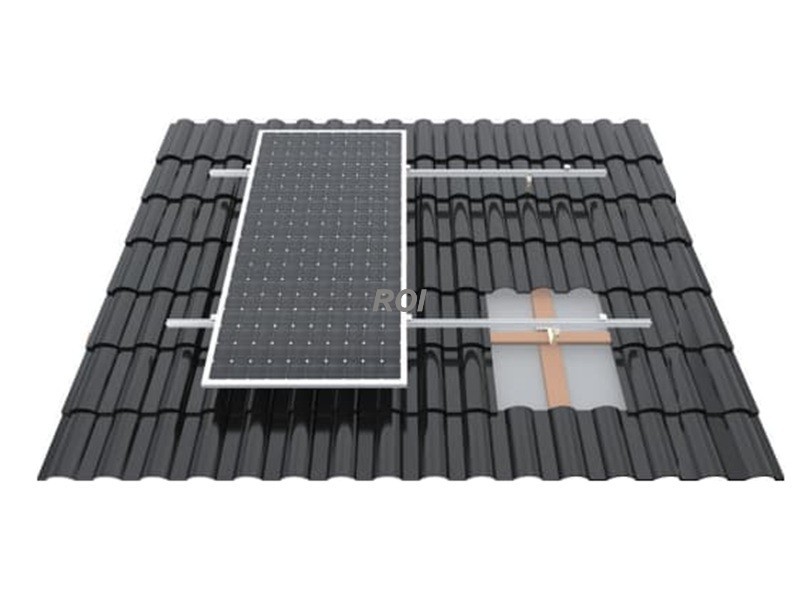
The color steel tile roof support system of  the mounting solar panels is not a single component but an organic whole in which multiple parts work in harmony.

Its core components include main supports, secondary supports, connectors, and fasteners.

The main supports, often made of high-strength steel, serve as the “backbone” of the entire system, primarily responsible for bearing the vertical and horizontal loads of the roof. Secondary supports, similar to “ribs,” cooperate with the main supports to further refine the load transfer path and provide a stable installation surface for the color steel tiles.

Despite their small size, connectors and fasteners play a pivotal “binding” role, firmly connecting each support component to ensure the integrity and stability of the system.​


Based on different application scenarios and design requirements, the color steel tile roof support system of the flat roof pv panels can be classified in various ways.

From the perspective of structural forms, it can be divided into the planar support system and the spatial truss support system.

The planar support system, with its relatively simple structure, is suitable for roofs with a small slope and low load requirements.

In contrast, the spatial truss support system, thanks to its three-dimensional structure, offers greater load-bearing capacity and stability, making it commonly used in buildings with high structural requirements, such as large industrial plants and stadiums.

Additionally, according to different installation methods of the mounting solar panels on roof , it can be categorized into the welded support system and the prefabricated support system.

The welded support system features high connection strength but involves a relatively complex construction process and strict requirements for welding techniques.

The prefabricated support system, on the other hand, has gradually become the market mainstream due to its modular design and easy installation, significantly shortening the construction period and reducing labor costs.​


Top

PV water pumping station solves the problem of water pollution

In our daily life, water is available by unscrewing the faucet. We hardly realize that water is an important resource.


But in many countries, water is as precious as oil. Water scarcity makes poor people even poorer, because they have to pay extremely limited supplies in exchange for the necessities of survival, and water pollution worsens the poverty situation in many countries because the polluted water quality cannot continue life but accelerates the end of life.


Can our renewable energy industry contribute to improving poverty in these countries? Yes, we can! Using renewable energy to power water treatment facilities may be a very suitable solution.


Xiamen Kingfeels Energy, as a professional solar structure manufacturer, has designed many solar mounting system solutions to fix solar panels, for powering water pumping. And these PV panel installations are very easy for each customer. After being installed, PV systems can be used for pumping water for pumping drinking water, as well as for irrigation of land. We wish our solar mounting can be applicated more and more water pumping station, more and more people can access to a safe and clean water supply.


Top

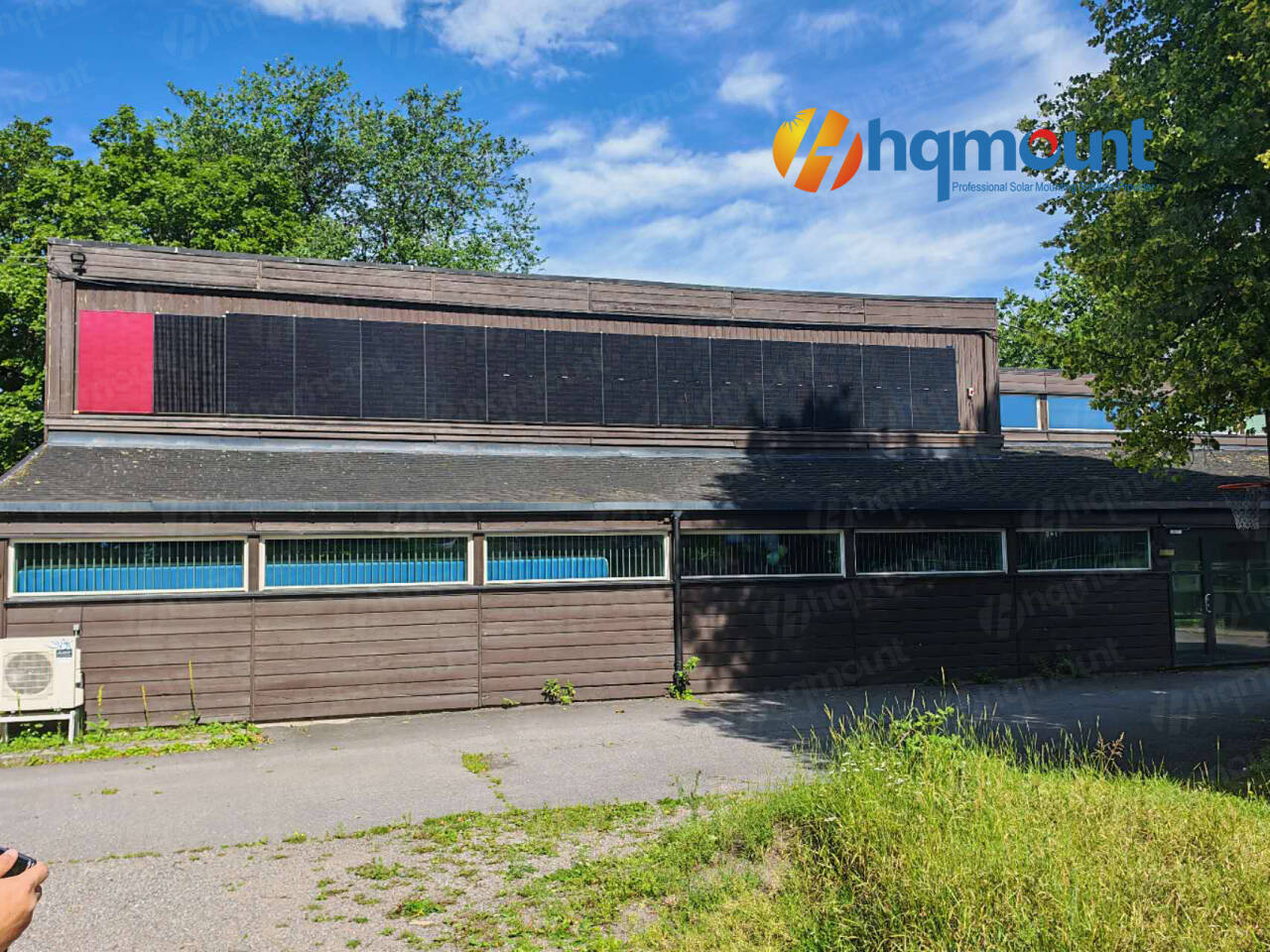
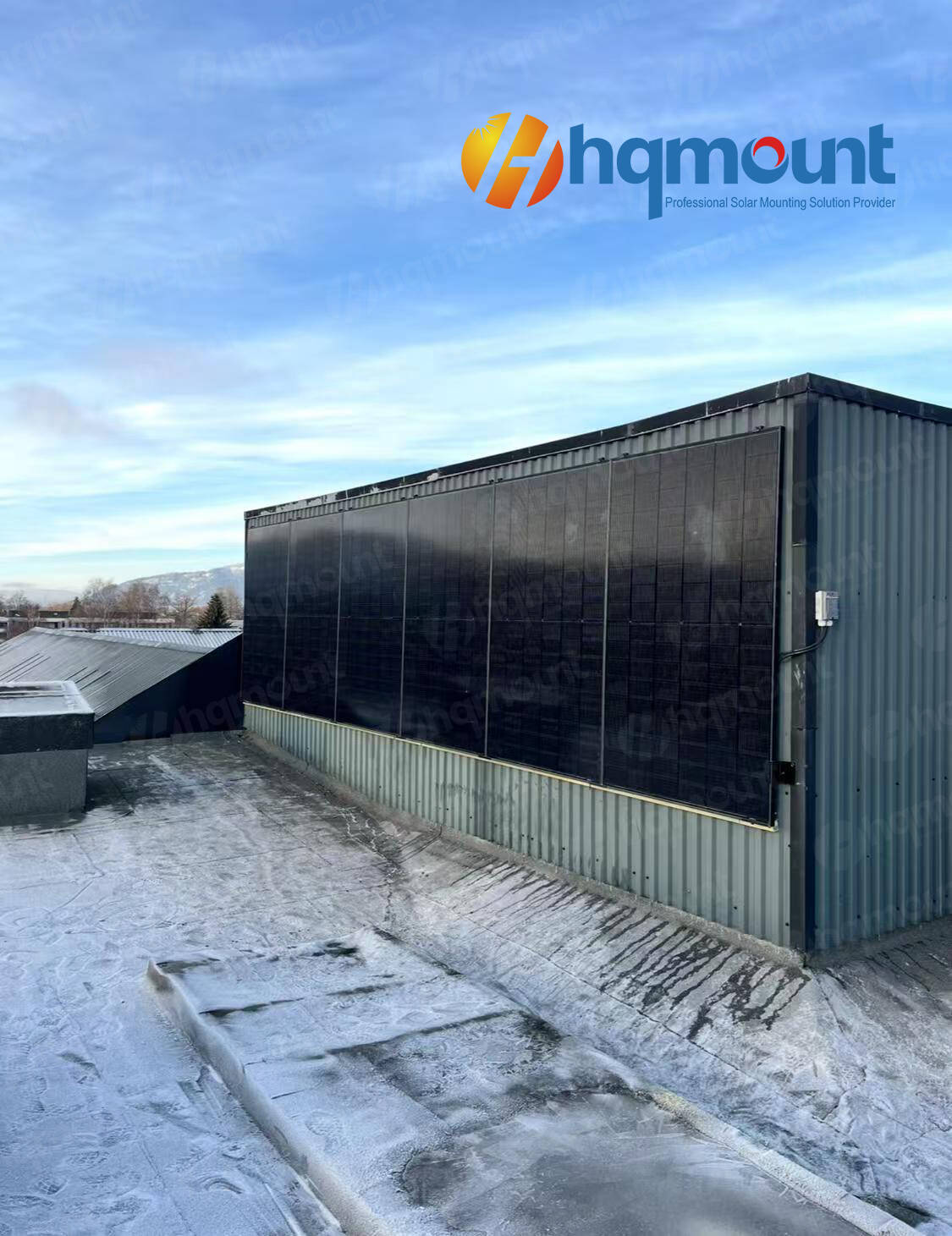
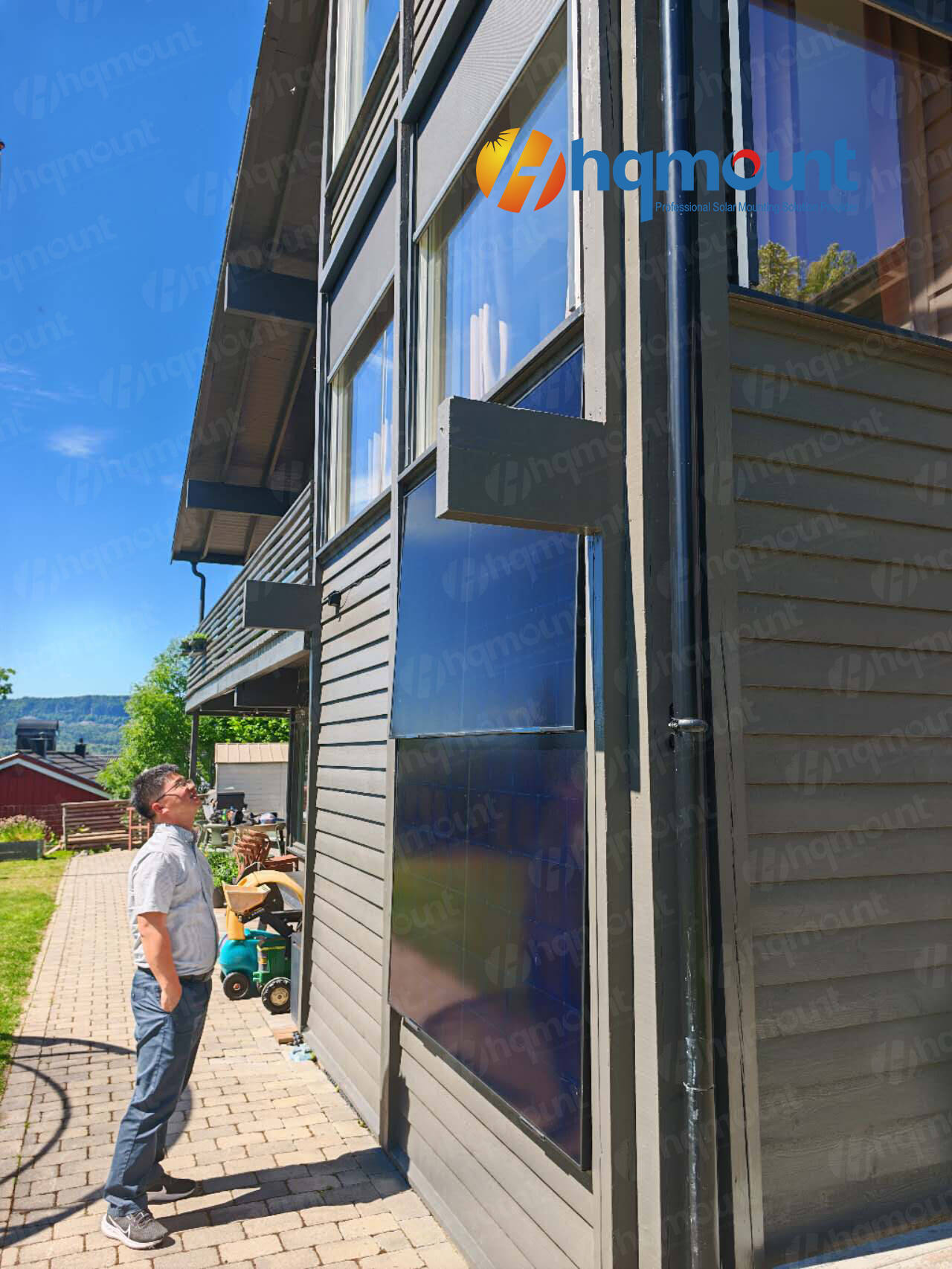
HQ MOUNT On-Site in Norway | Pioneering Vertical Solar Solutions Where Geography Drives Innovation

We’re excited to share an exclusive update from our recent field visit to a cutting-edge vertical solar installation site in Norway! As a global provider of advanced solar mounting systems, HQMOUNT is proud to explore how Norway’s Arctic environment makes vertical solar a uniquely powerful solution.


Why Norway? The Vertical Advantage at High Latitudes

Norway’s geographic conditions — stretching up to 71°N latitude — present challenges that vertical solar technology turns into opportunities:


Low Sun Angle Optimization

Vertical-mounted panels are ideal for capturing the sun’s shallow trajectory in winter, ensuring optimal energy production even in low-light months.


Snow & Ice Resilience

Wall-mounted systems avoid snow burial and harness reflected light from snow-covered terrain.


24-Hour Summer Sun

Vertical panels mounting efficiently absorb extended horizontal light during Norway’s long dawns, dusks, and 24-hour sunlight periods.


Collaborating for Cold Climate Innovation

HQMOUNT is working closely with local Norwegian partners to deliver next-generation vertical solar systems designed specifically for extreme climates. These installations aim to transform walls into energy-generating assets, enabling sustainable power even in the world’s northernmost regions.


Together, we’re turning walls into energy assets!


CONTACT US---XIAMEN HQ MOUNT TECH CO.,LTD

Whatsapp : 18030160771

Tel : 86 05926252889

Email : allie@hqmount.com


#VerticalSolar #HQMOUNT #ArcticEnergy #CleanEnergyFuture #SolarMounting #NordicInnovation #NorwaySolar #CleanEnergyFuture #NordicSolar#RenewableTech

Top

Solar Mounting Production in Full Swing at HQ Mount!

We’re proud to share a behind-the-scenes look at how HQ Mount powers solar energy projects worldwide with precision-engineered mounting solutions.  Check out our new HQ Mount 2025 video to see how SGS delivers precision-engineered solar mounting solutions:


Inside our production facility:
Round-the-clock production for solar power plants
Automated manufacturing of rooftop mounting accessories
Efficient loading for on-time delivery

From rooftop solar to large-scale PV farms, we deliver customized, reliable, and scalable mounting systems to meet your project needs.


Looking for a trusted solar mounting partner?
We combine engineering precision, production capacity, and responsive service to support global solar installers, distributors, and EPC contractors.

→ Explore SGS solutions: www.hqmount.com

#SolarEnergy #RenewableTech #SolarMounting #ManufacturingExcellence #HQMount #SolarSolutions #CleanEnergy #SolarMounting
Top

How Does Solar System Works?

Today I will bring you a simplified explanation of how a solar system works:


When sunlight falls on the solar panels, the panels' cells absorb these photons, Within the solar panels, the conductor silicon converts the absorbed photons into electrons. This process is known as the photovoltaic effect.


The solar panels produce direct current (DC) electricity, which is a type of electrical current that flows in one direction.


The DC electricity generated by the panels is sent to an inverter. The inverter converts the DC electricity into alternating current (AC), the type of electricity used in homes and businesses.


The AC electricity produced by the inverter can now be used to power electrical devices and appliances or fed into the electrical grid for credit or sale to the utility company.


In some regions, homes and businesses with solar systems can take advantage of net metering. Net metering allows the excess electricity generated by the solar system to be sent back to the grid, and the owner receives credits for the electricity produced. These credits can be used when the solar system is not generating enough electricity, such as during nighttime or cloudy days.


Overall, a solar system allows individuals and businesses to harness the clean, renewable energy of the sun to offset their electricity consumption, reduce their carbon footprint, and potentially save money on utility bills over time.


OK, thank you for your attention to SunEvo, I will see you next time, bye-bye.

Top